
“We hold these truths to be self-evident, that all men are created equal, that they are endowed by their Creator with certain unalienable Rights, that among these are Life, Liberty and the pursuit of Happiness.”
Thomas Jefferson
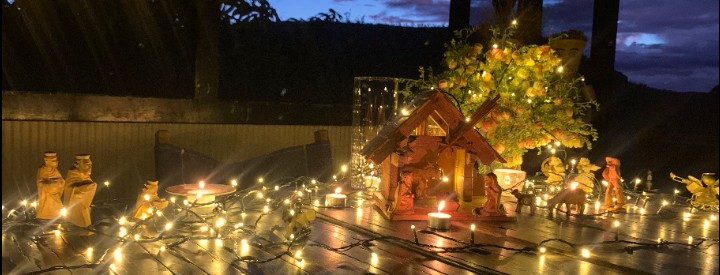
Dear Friends,
Christmas 2025 is fast approaching and since we sent out our last newsletter, things on Kachana have certainly not been dull. Pain and learning form a part of life, but “Gratitude” is a good word to express feelings brought about by the totality of spiritual, human, animal and environmental experiences of the past years.
May 2026 be kind to us all, and at political levels, we hope that polarisation and madness give way to a spirit of collaboration and uncommon good sense. (Please scroll down the page for updates on ‘news & views’.)
We wish you and all your loved ones a meaningful time of Advent and Blessings that come with the message of Christmas.
Greetings from a steadily growing Team Kachana
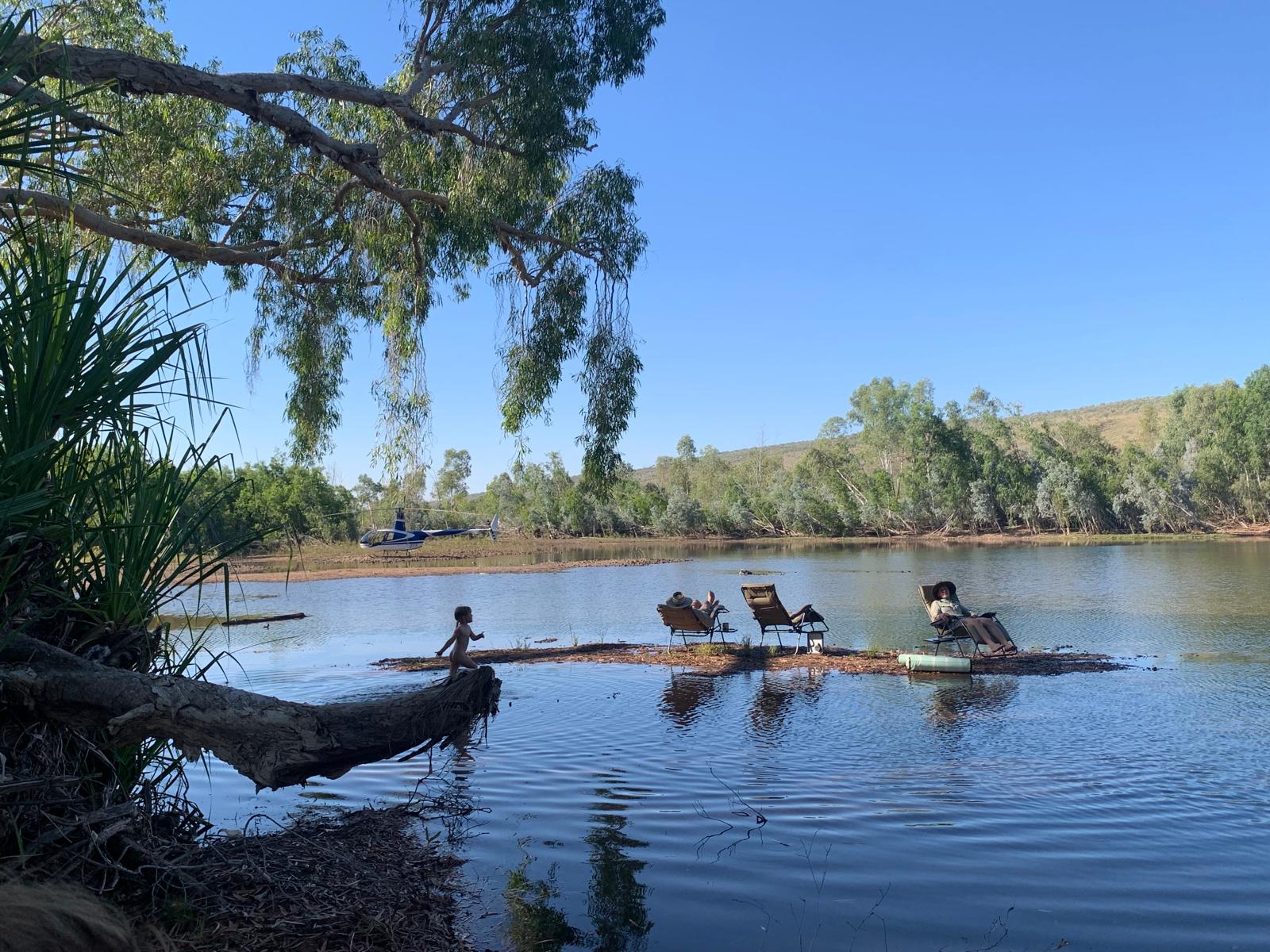
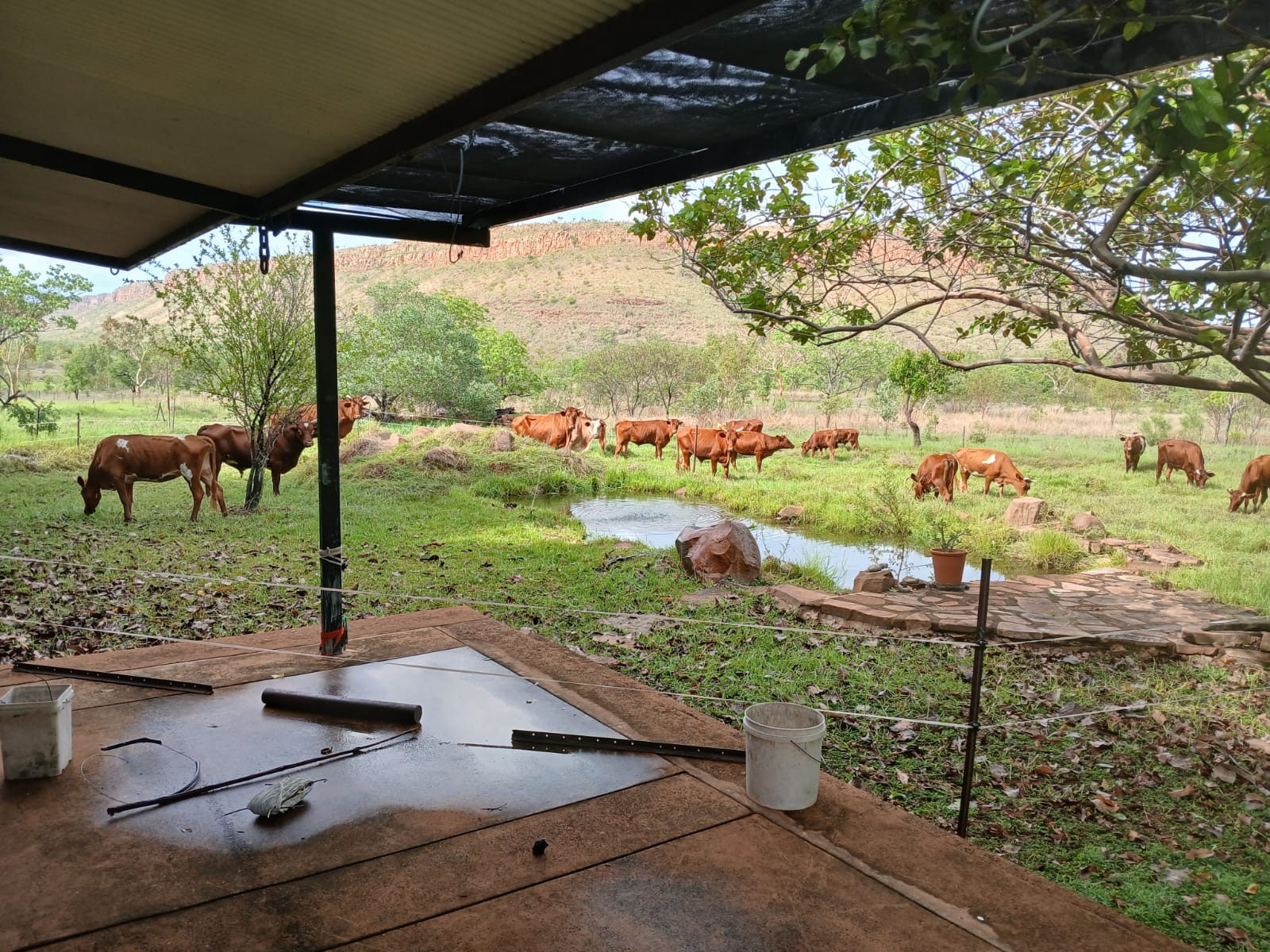
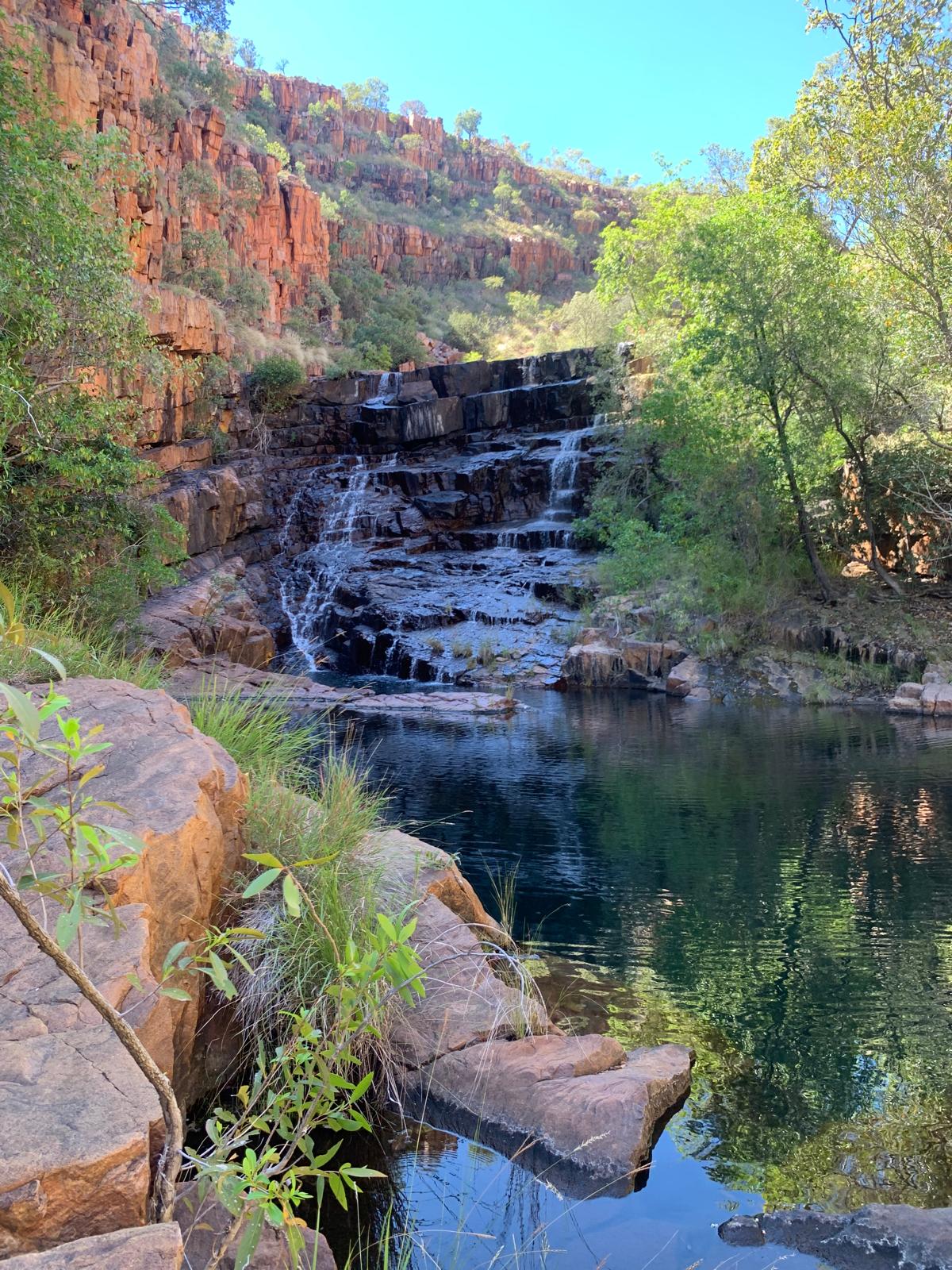
Photos of the Month


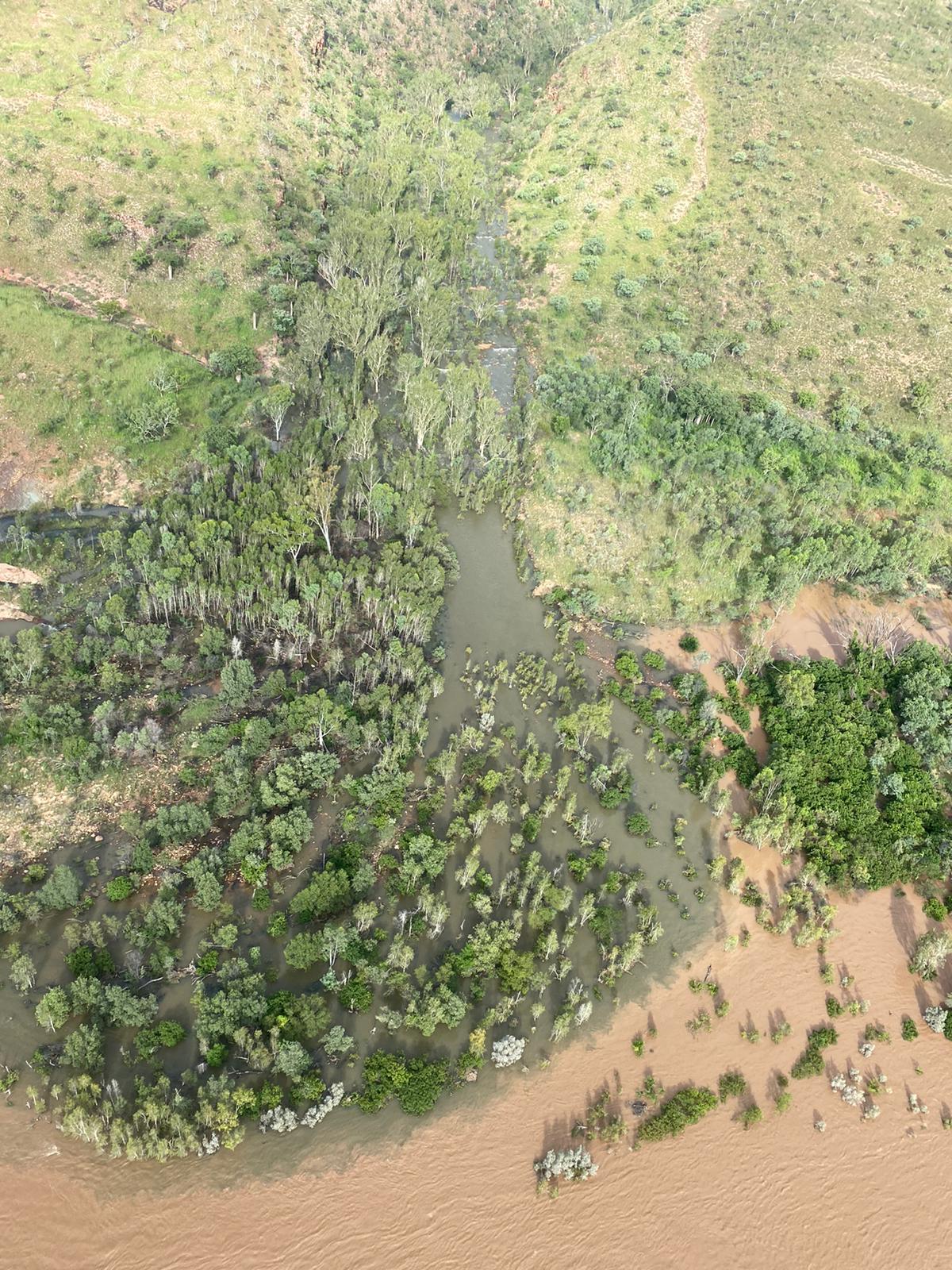
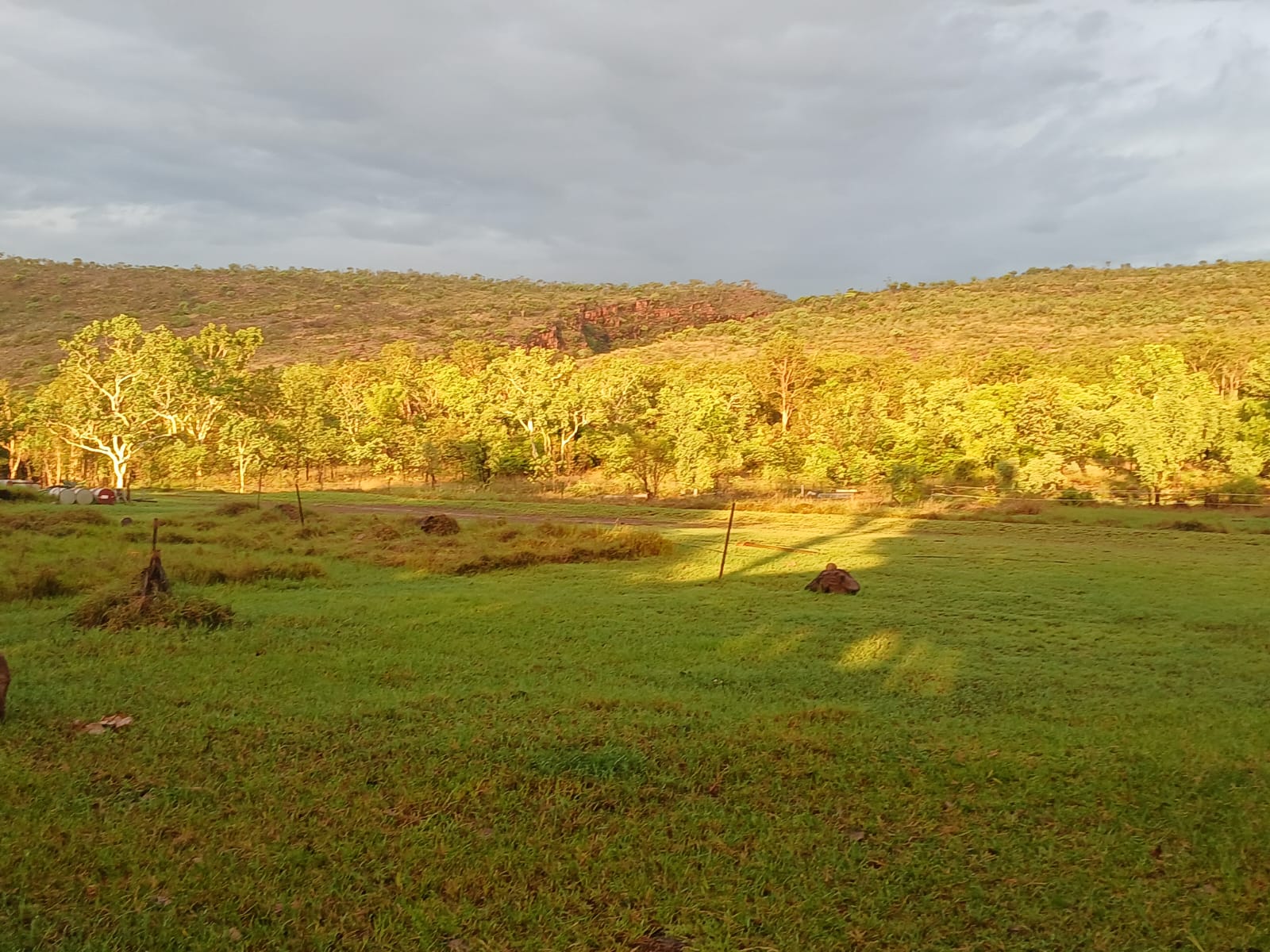
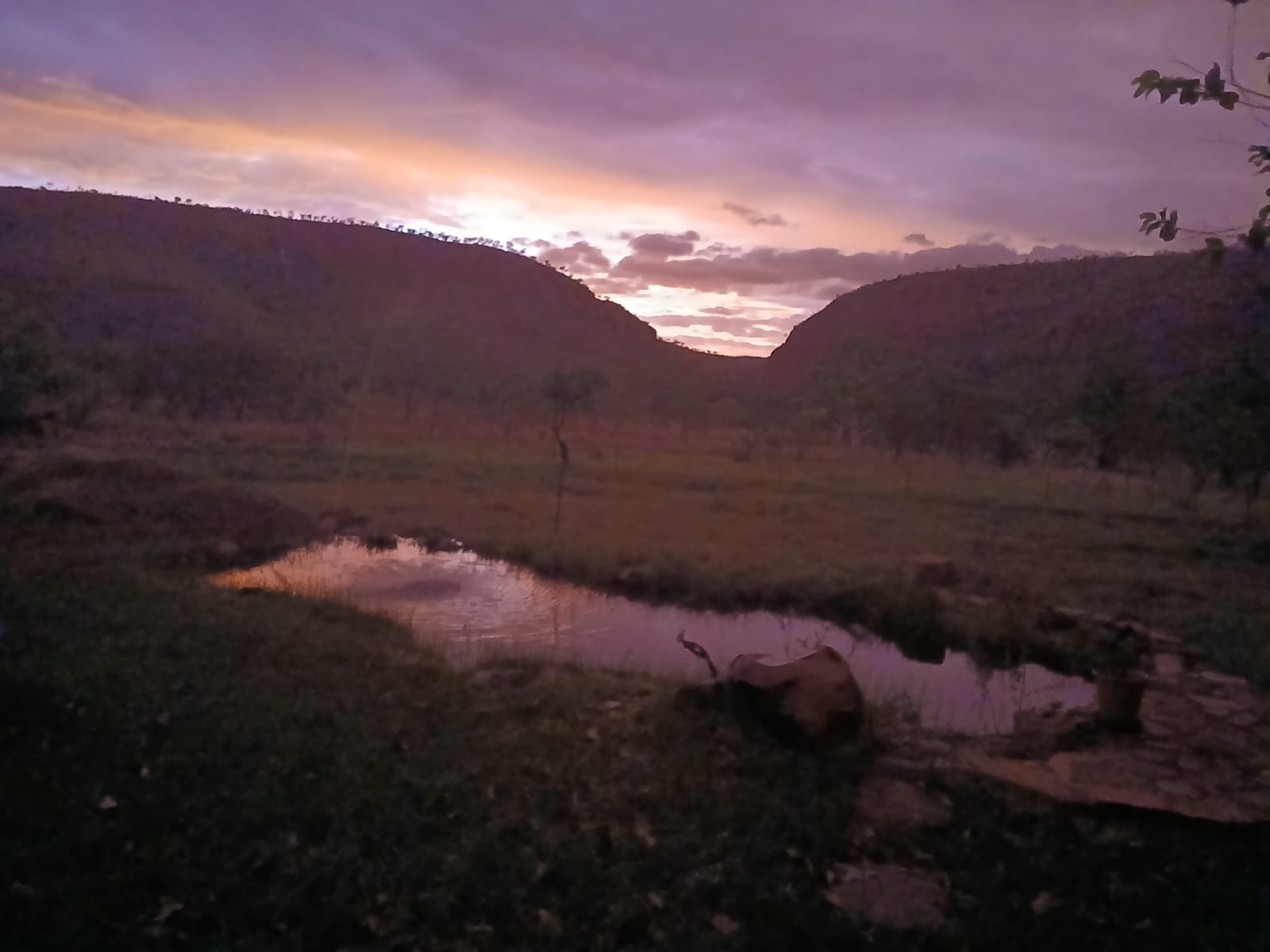


News & Views
Real progress on Kachana has now been stalled since 2017 as we maintain our holding pattern at a crossroads outlined in 2020: More fire or more herbivores?
With over 1,400,000 views on YouTube alone, we are thankful that core messages are now beginning to reach a wider section of the community: Kachana featured on 'Australian Story' (Nov. 2024)
Feedback was overwhelming and we especially thank those who voiced opinions publicly. 28 minutes is not much time to tell a full story, so we offered further clarification and updates on our website: 2024.10.31 - "Would you go to jail over this?" and Facebook.
Now, after over seven years and well over Aus $ 350 000.00 of taxpayer funds spent, it still remains a mystery as to how this particular population of managed wild donkeys poses any actual biosecurity threat.
One year after the Hearing of November 2024, the SAT presented its findings. It appears likely that Kachana's project with managed wild donkeys will be terminated by August 2026.
For the moment however, Kachana’s “fire officers” remain fit, healthy and on the job. Until their viability as a functional rangeland management tool is lost, hope remains that a story of conflict can be turned into one of collaboration and learning for all, AND most importantly, further improved outcomes in landscapes that are otherwise desertifying. (Let us not overlook the fact that, in seven years of intense scrutiny, there has not been a single reported case of donkeys leaving Kachana, and the SAT Ruling did leave open at least a small window of opportunity. [ref.: Point 214])
The rest is good news. Despite lightning strikes and wildfire, the seasons have been kind to us in many aspects. Jacqueline and Chris cherish joys that come with being grandparents of five little people!
May 2023, after 35 years of flying, Chris stopped piloting aircraft. From the copilot’s seat, Maurice filmed the last take-off and landing. It was a decision better made willingly and ahead of time, rather than running the risk of waiting for others or circumstance to dictate it.
Despite the remoteness, work conducted on Kachana (since 1992), is of broader pastoral and rangeland relevance. We remain convinced that this relevance extends to Mediterranean regions. Unsurprisingly international spotlights are focusing on what can be achieved when humans begin wanting to work “with nature”.
April, 2024, Koen van Seijen talks with Chris on the “Investing in Regenerative Agriculture Podcast”.
A highlight for 2024 was when a delegation of the Floreani family visited Kachana. 1985, the Floreani family played a role in our finding Kachana! (This is a story for another time.)
August, 2024, we felt honoured when Jards and the Rangelands NRM team chose Kachana as the venue for a small gathering: Soil Building with Stockmanship
December, 2024, Chris was handed a microphone in Tasmania:
- Without first WATER-SECURITY, there can be no BIOSECURITY
- LAND-DOCTORING neglected landscapes in Northern Australia
April, 2025, Alberto Troccoli talks to Chris on the “Let’s Climunicate Podcast”
May, 2025, Alejandro Carrillo from Mexico (“my brother from another mother”), did us the honour of paying a visit. Alejandro was like a magnet, attracting a small gathering of kindred spirits. Jason and Ron from Nevada took the opportunity to film Alejandro and Chris talking about their different approaches to harness donkeys to act as ‘eco-engineers’.
Being relatively isolated from population centres, we watch with interest which environmental messages draw attention and how the public responds. We do this also by offering opportunities for people to actively engage on Team Kachana.
One option is the purchase of Kachana Eco-Bullocks. This “savannah version of tree-planting” is designed to develop positive personal environmental footprints.
Another project that invites proactive participation is the Cockatoo Sponge Rebuild. To date we have observed little interest and no commitment, however we suspect that once this project gains traction, it will be more telling than even our Millennium Project.
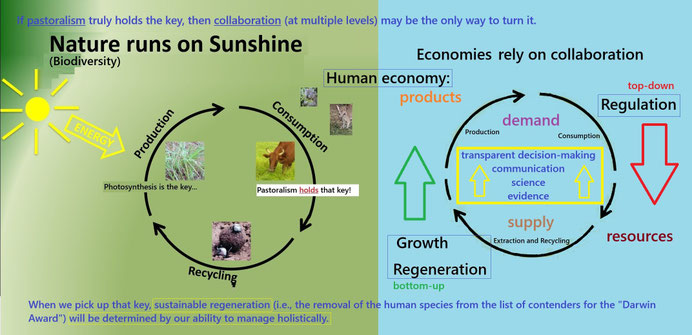
Living in the bush, we remain (sometimes painfully) aware that nature remains in the driver’s seat. It was an “Aha!” moment to arrive at the realisation that human nature is what holds us back!
On this note let us move to a philosophic plane.
To be curious is to be human. Curiosity also drives science.
Curiosity seeks answers, so there is always the temptation to read tea-leaves.
In efforts to draw lines between incidence, causation, association, coincidence and speculation, there is thus a danger that “certain knowledge” blocks us from seeing new evidence that should lead us to asking new questions and formulating new hypotheses.
The role of scientific inquiry is to test ideas for their soundness, not to defend them. However given constraints in time and finances, much research activity does not have the scope to fully tease out incidence, causation, association, coincidence and speculation. A great deal of what we learn (in good faith) therefore rests on scientific studies that have (mostly also in good faith) been narrowed down to answer only a small spectrum of questions that appear to be contextually relevant. – BUT, what if contexts change (as they invariably do in a world teeming with life)?
Here is a link to an unpublished study conducted prior to 2020. A study that had been devised to lay to rest questions that were considered by “the Science” to have already been answered: Impact of Childhood Vaccination on Short and Long-Term Chronic Health Outcomes in Children: A Birth Cohort Study
Lois Lamerato, PhD1, Abigail Chatfield, MS1, Amy Tang, PhD1, Marcus Zervos, MD2,3
If reading studies is not your thing, we invite you to watch the documentary that recently came out.